The headline is extremely clickbaity, but it’s a question that might be worth asking. Since being confirmed as Secretary of State, Marco Rubio has been heavily involved in some of the most important international political events of the still developing 21st century, and his influence only seems to be expanding with each passing day as more situations globally keep developing. It might be worth investigating how much influence he has, then, and how his role continues to develop.
So to start off with, a little background on Marco Rubio. Elected to the U.S. Senate in 2010, Rubio would go on to serve on the Senate Committee on Intelligence (where he was the acting chair and then ranking member) and the Committee on Foreign Relations. He also served on the Committee on Appropriations, which, while not directly dealing with foreign affairs, does have full jurisdiction over all discretionary spending and military spending constitutes 56% of the federal discretionary budget. So he was very heavily influential in government legislative committees that focused on foreign and military affairs.
Of note, he had a particularly prominent history of supporting military intervention in foreign affairs. In the senate, he supported the overthrow of Muammar Gaddafi in Libya, supported giving ammunition to Syrian rebels during the civil war under Bashar al-Assad, pushed against establishing diplomatic ties with Cuba during the Obama administration, called for revolution in Venezuela and met with an opposition leader that was accused of attempting a coup by the Maduro government, supported increased military ties with China’s neighbors (and enemies), etc. Of note, during the 2016 presidential primaries, he was the candidate who called for use of military force third most out of all of them according to the CATO institute (Trump was dead in the center between most calls and least calls). So he has a history of wanting to use military force to accomplish America’s foreign policy objectives.
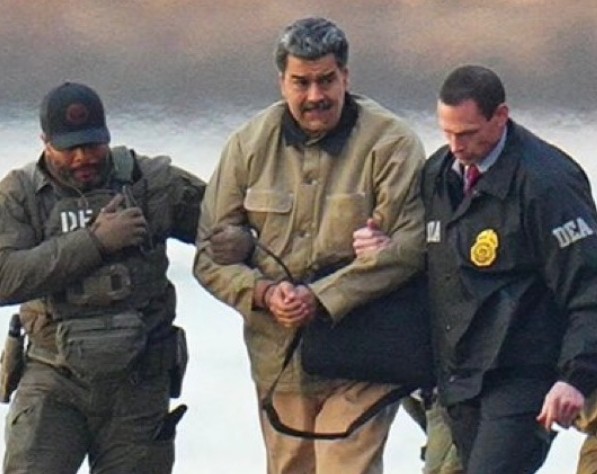
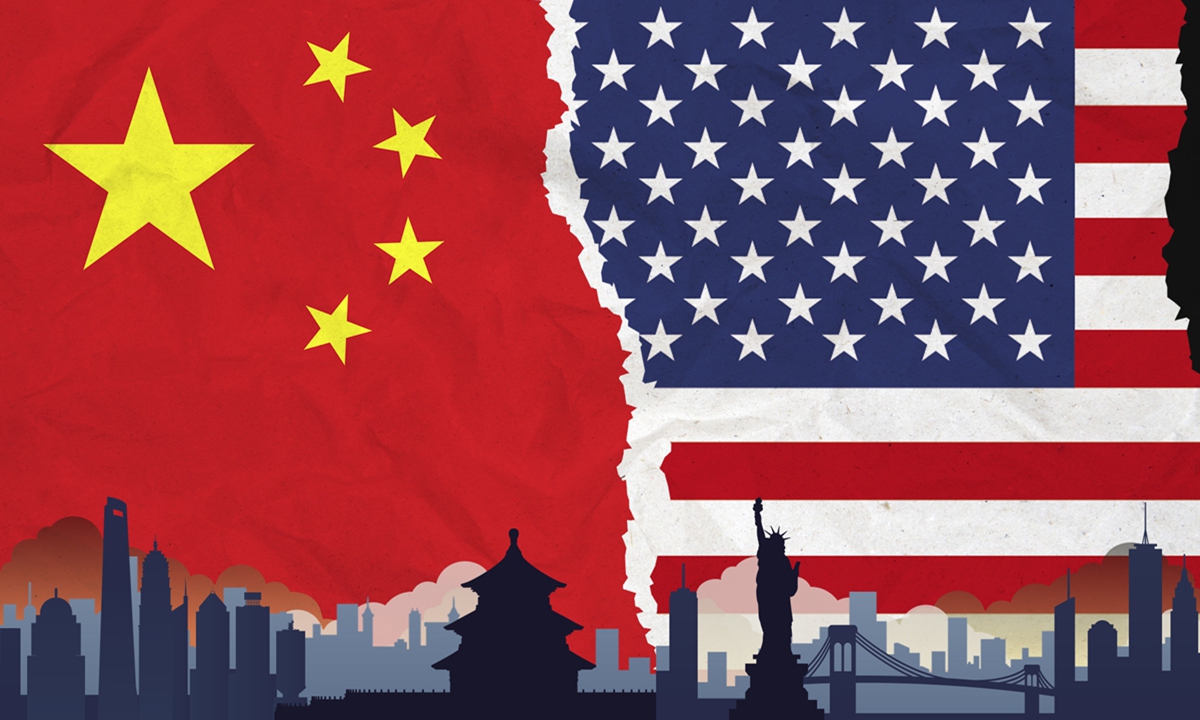
This is noticeable because since he’s become Secretary of State and National Security Advisor (the first to hold both positions at the same time since Henry Kissinger back in the 70s), the Trump administration has taken a noticeably more hawkish tone since its first term. Similarly, many of Rubio’s policy agendas when he was in the senate have been coming to fruition. During his tenure as Secretary of State, the US has captured now former Venezuelan President Nicolas Maduro, placed an oil embargo on Cuba while talking about regime change, and placed steeper tariffs on China while pushing stronger military relations with Japan. In addition, the US has pushed to take Greenland and has created the largest military buildup in the middle east around since the Iraq War due to a growing possibility of war with Iran (a country which Senator Rubio supported sanctions on). So it seems like much of Rubio’s agenda in the senate is being reflected by the Trump administration.

Now, one could argue that Trump possibly changed his mind during his four years out of the office. Besides, many of these countries are ones he clashed with during his first term as President. After all, he did take out the leader of Iran’s Quds force, struck Syria, and recognized Venezuela’s opposition leader as the real head of the country’s government during his first term. He’s also been a long term critic of China so being strong against them isn’t all that surprising. Therefore, Trump’s actions are not definitive proof that Rubio is in complete control of the US’s foreign policy.
However, the fact that Rubio is getting most of his foreign policy agenda as a senator made a priority by the current administration does show the impact and influence he is having. Likewise, he has publicly disagreed with his boss, noticeably when he downplayed military options to take Greenland when Trump refused to rule that out and took a more collaborative tone towards working with Europe than did JD Vance at the Munich Security Conference. The fact that he is able to push back on those with higher authority than himself when disagreement has led to firing of officials in the past shows that Rubio may be in a safe position.
Similarly, there have been reports about Trump’s dependence on those closest to him. There was a saying that during Trump’s first term, the last person he spoke with was usually the one he agreed with at the time. Keeping in mind that Trump had never been elected before, it’s not surprising that he wanted to take advice from people with more experience than himself in the governmental field. However, Rubio was not a direct member of Trump’s administration during his first term so that means he has a lot more opportunity to influence the President.
The final point to consider is the weakness of Trump’s ability to accomplish his domestic agenda. Noticeably, Speaker of the House Mike Johnson has struggled to get legislation passed, making an inactivity record, which makes it hard to pass domestic policy since most of that is in the hands of the legislature. Similarly, a lot of the early policies of the Trump administration was supported by investigations from the Department of Government Efficiency, an initiative championed by Elon Musk. However, Musk is no longer part of the administration so that initiative seems no longer to be front and center in Trump’s administration. Increasingly, Trump’s agenda is moving away from what requires congress’s help and is becoming more focused on how he can assert himself internationally. That means that much of the Trump administration’s second term will be defined by Marco Rubio.
In fairness, there’s a saying that leadership is about getting the right people in the right positions. If Rubio is directing the White House’s current agendas, then that isn’t a statement of weakness on the President since his goal is to lead the executive branch and make sure the right people are doing the job he requires of them. However, this blog post should show how much influence Secretary of State Marco Rubio has and how much he can shape the direction of the president. So it is likely he might be the one actually determining US policy, at least internationally, going forward. Regardless, whatever his influence, a biography on him will likely be a fascinating read, and a must for anyone who wants to understand US foreign policy in the 21st century.